Guides
Newfoundland and Labrador remote electrical work, pricing travel and logistics costs
Remote electrical work Newfoundland costs more: price travel, freight, lodging and Newfoundland Power service rules into every bid before margins erode.
What to take away
- Remote electrical work Newfoundland costs more than St. John's work because travel time, ferries, lodging, freight and Newfoundland Power service rules add real money to every job.
- As of 2026, typical remote cost lines run CAD $850 to $1,500 per person per travel day, CAD $75 to $300 per night for lodging, and CAD $500 to $2,500 per LTL freight shipment.
- Build travel time, ferry fares and lodging into the quote as separate cost lines, not a vague markup, so you can see what each one adds.
- Freight and material lead times into remote communities are long and weather-dependent; order early and price the carrying cost.
- Newfoundland Power service rules and connection coordination affect scheduling and who pays for what; confirm them before you commit to a date.
- Price remote work with a method that covers all-in crew cost, risk and a real margin, and protect that margin with clear assumptions and change orders.
- Rotate crews and plan lone-worker safety before mobilising, because remoteness raises both the risk and the cost of getting help.
What makes electrical work outside St. John's cost more
Electrical work in Newfoundland and Labrador splits into two markets. The Avalon Peninsula around St. John's has the density, suppliers and labour pool. Everything else, from Clarenville and Gander to Corner Brook, Labrador City and the coastal communities, is remote by comparison.
Distance is the first cost. A crew leaving St. John's for Labrador crosses long highway stretches and, depending on the route, a ferry. That travel is paid time, and it is not productive time. On a small job it can double the labour hours you need to bill.
A two-person crew travelling from St. John's to Labrador City covers about 1,000 km each way. At a billed rate of CAD $100 to $150 an hour, one travel day for both electricians costs CAD $2,000 to $3,000 before fuel, ferry or lodging.
Weather is the second. Wind, fog, snow and freeze-up affect ferries, flights and outdoor work windows. A job planned for three days can become five. Your quote has to carry a realistic weather allowance, not an optimistic one.
Scale is the third. Remote projects are often small in electrical scope but large in mobilisation. A community hall, a fish plant upgrade or a mine camp needs the same tools, test equipment and safety gear as a big city job, but those items must travel.
Demand in Newfoundland and Labrador is tied to construction and infrastructure spending. Public accounts of construction activity help contractors judge whether the pipeline is steady or lumpy, which affects how much remote capacity to keep.
Construction statistics give a national and regional view you can use when deciding whether to hold a remote crew together.
None of this means remote work is unprofitable. It means the cost structure is different, and a bid built on St. John's assumptions will lose money. The rest of this article breaks the cost lines down and shows how to price them.
Travel time, ferries and lodging as billable cost lines
Treat travel and lodging as cost lines, not overhead. If you bury them in a labour rate, you cannot tell whether a job made money until it is over.
Remote Job Cost Lines
- Travel timeportal to portal or shop
- Ferriesvehicle length, passengers, reservations
- Lodginghotel, bunkhouse, rented house
- Meals and incidentalsper diem
- Vehicle costsfuel, wear, parts
- Contingency for missed sailings
Start with travel time. Decide whether you bill portal to portal or from the shop. Most remote contractors bill from the shop or from the point of dispatch, because that is when the crew stops doing other work. State it in the quote.
As of 2026, a journeyperson construction electrician in Newfoundland and Labrador often carries a wage of CAD $35 to $55 an hour. With burden, insurance, tools and small overhead, the billed rate commonly lands between CAD $100 and $150 an hour.
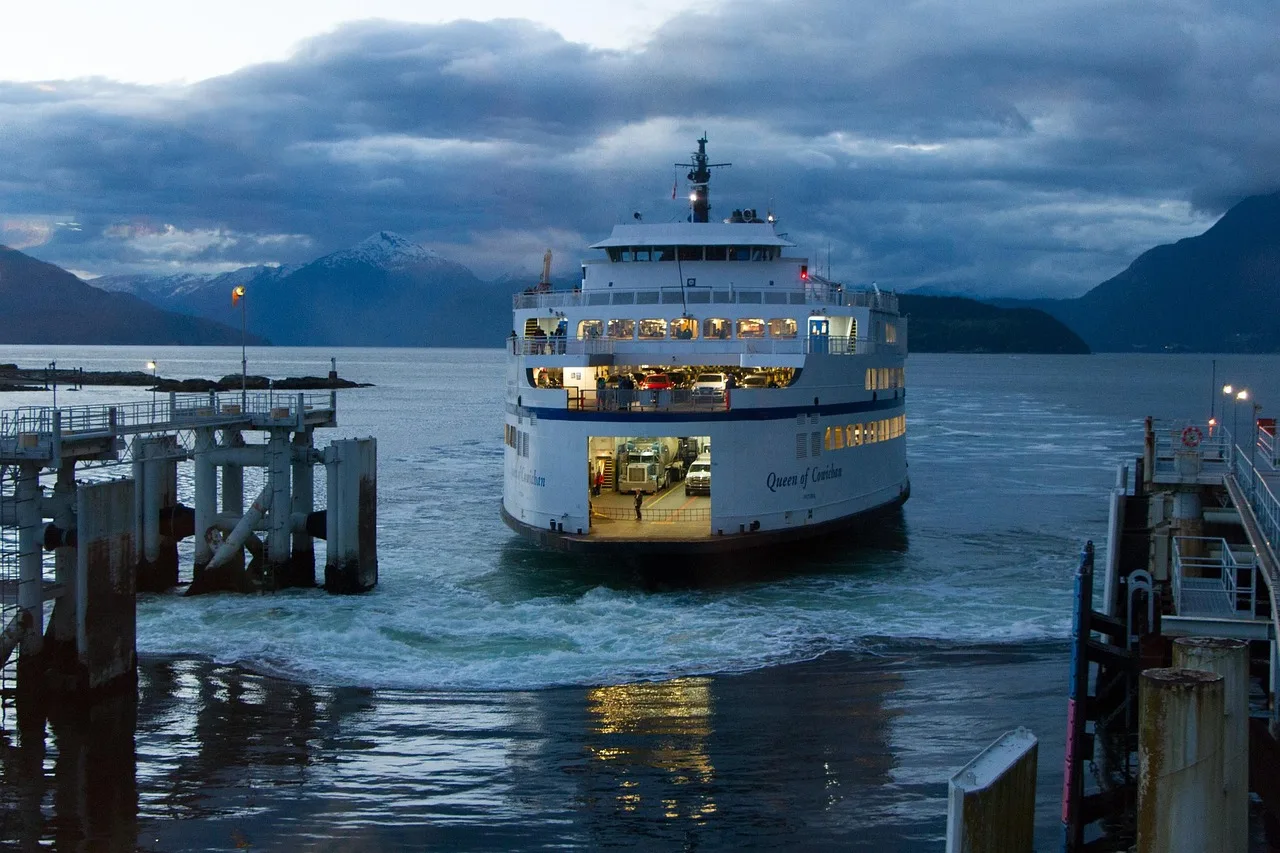
Ferries are a separate line. Marine Atlantic crossings and provincial ferry services charge by vehicle length and passenger count, and reservations matter in peak season. A missed sailing can cost a day. Price the crossing and a contingency for delays.
On Marine Atlantic routes between North Sydney and Port aux Basques or Argentia, a commercial truck or truck and trailer typically costs CAD $300 to $1,200 one way. Length, season and cabin drive that range. Provincial ferry crossings for a pickup and trailer often run CAD $50 to $250.
Lodging is the next line. In smaller communities, crew housing may be a hotel, a bunkhouse or a rented house. Rates vary widely and availability can be tight when other trades are in town. Book early and pass the actual cost through.
Hotel rooms in Labrador City, Happy Valley-Goose Bay, St. Anthony and similar communities often run CAD $150 to $300 per night in 2026. Bunkhouse beds often run CAD $75 to $175 per person per night. A rented house for a crew often runs CAD $1,800 to $3,500 per month, plus utilities and a damage deposit.
Meals and incidentals add up. A per diem is simpler to administer than receipts, but it must reflect northern and remote prices. Set it high enough that crews are not out of pocket, or you will lose good electricians.
A remote per diem commonly falls between CAD $75 and CAD $125 per day in 2026. Public service travel rates are in that range, and northern grocery prices push crews toward the top.
Vehicle costs belong here too. Fuel, wear on trucks and equipment, and the cost of getting a replacement part to a remote site are all travel-related. Track them per job so your estimates improve.
A 1,000 km round trip in a loaded service truck typically burns CAD $250 to $450 in diesel at 2026 prices, before tires, maintenance and depreciation.
A worked example shows the shape. Suppose a two-electrician crew works four days in a community eight hours from St. John's. Travel is two days each way, so the job consumes eight travel days for two people. Add ferry fares, four nights of lodging for two, per diems and fuel.
At 10 hours a day and a billed rate of CAD $100 to $150 an hour, those eight person-travel-days cost CAD $8,000 to $12,000 in labour alone. Ferry, lodging, per diems and fuel sit on top.
That travel and lodging block can rival the labour block. If your quote only covers the four working days, you are subsidising the job.
For a fuller framework on turning these inputs into a price, see pricing that protects profit.
Freight and material lead times into remote Newfoundland communities
Freight is where remote electrical bids most often go wrong. Material that arrives in two days in St. John's can take a week or more to reach a coastal or Labrador community, and weather can extend that.
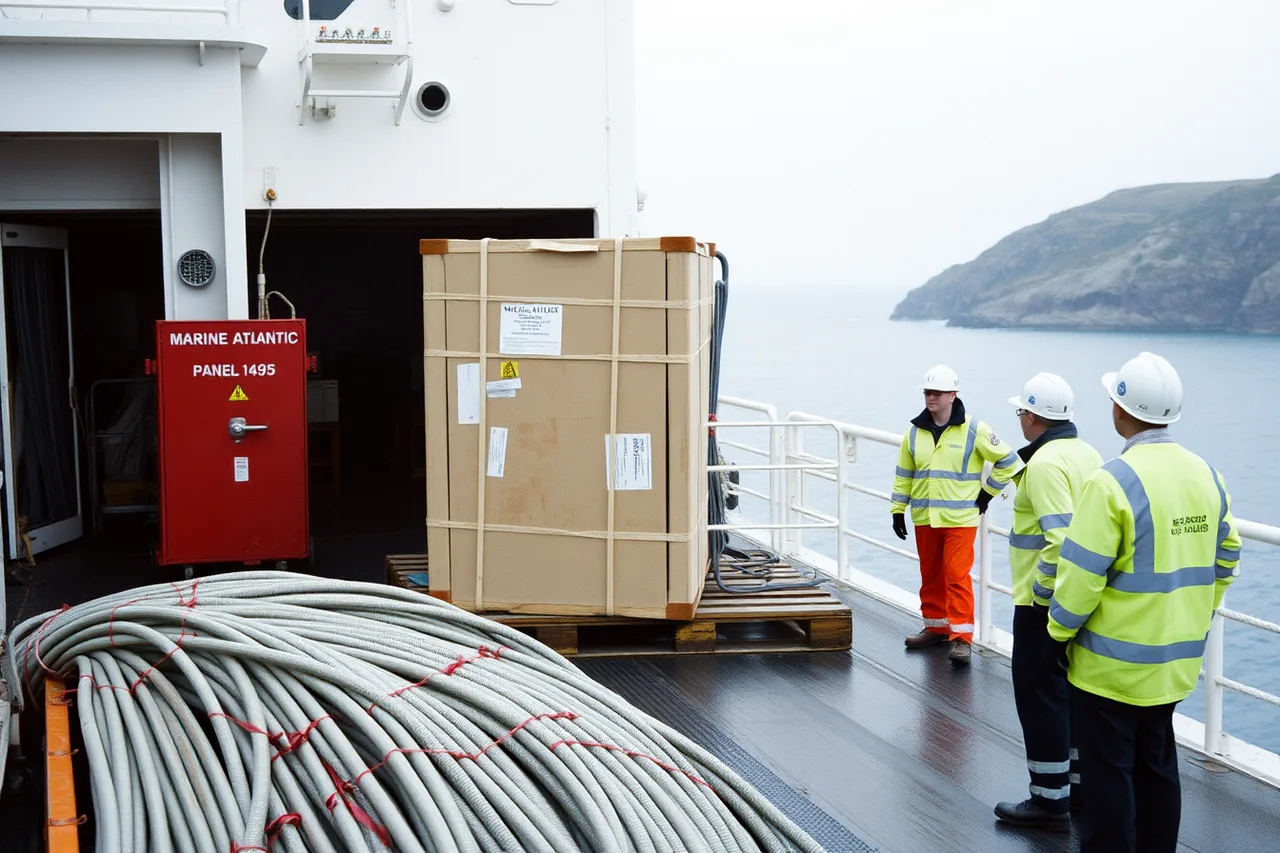
Lead times are longer for everything. Switchgear, transformers, panelboards and specialty fixtures may need to be ordered well ahead. If a supplier has to ship from Central Canada, add transit time to the island and then onward transport.
As of 2026, switchgear and transformers often carry 12 to 30 week lead times. Panelboards and specialty fixtures commonly run 6 to 16 weeks. That is before transit to the island and onward transport.
Freight costs are not just postage. They include crating, handling, ferry charges, and sometimes a lift or a barge. Oversized items such as a long length of conduit or a transformer need special handling. Get a freight quote before you price the material.
LTL freight from Montreal or Moncton to a coastal Newfoundland community often runs CAD $500 to $2,500 per shipment. Crating adds CAD $150 to $600 per crate, and a lift or barge is extra.
Damage and shortage risk rises with distance. Shipments that transfer between trucks and ferries are handled more often. Inspect on arrival, photograph anything suspect, and file claims quickly. A damaged panel can stall a job for weeks if a replacement must be reordered.
Storage matters. If material arrives before the site is ready, someone must secure it. In remote communities, secure storage may be limited. Price a sea can or a locked space if you need one.
A rented sea can typically costs CAD $150 to $300 per month, plus delivery and pickup. Secure indoor space can cost more.
Plan a buffer. Order consumables and spares above the minimum, because a return trip for a missing fitting costs a day and a ferry fare. The carrying cost of extra stock is usually less than the cost of a stalled crew.
Infrastructure spending drives much of this demand, and infrastructure statistics help you see where public money is flowing. That context supports decisions about which remote regions are worth positioning for.
Newfoundland Power service rules and connection coordination
Newfoundland Power is the main electricity distributor on the island, and its service rules shape how and when you can connect a customer's installation. Get to know them before you bid.
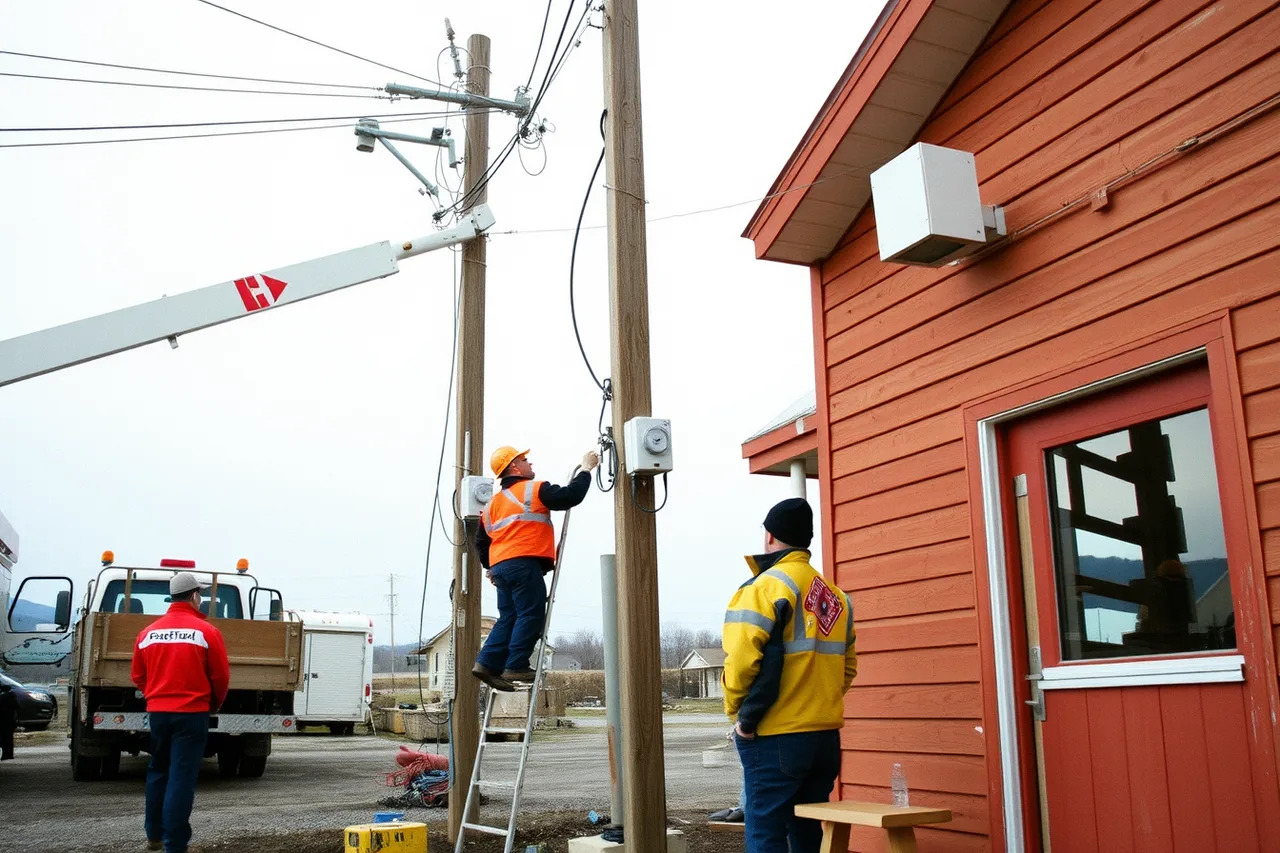
Service connection work involves the utility and the customer's electrical contractor. The contractor typically installs the service equipment and the customer's wiring to the point of connection, and the utility makes the final connection and energizes. The exact division of responsibility is set out in Newfoundland Power's service rules and requirements.
Service capacity and design matter. The utility needs to know the expected load, the service type and the location before it can approve a connection. For a remote site, the distance from the nearest line and the terrain can affect cost and timing.
As of 2026, a residential service connection or upgrade often falls in the CAD $1,000 to $5,000 range. A line extension or transformer upgrade can run well into five figures, depending on distance, terrain and load.
Coordination takes time. Utility crews have their own schedules and may need to travel to remote locations, sometimes by ferry. Application, review and scheduling can add weeks. Build that into your project schedule and your price.
Know who pays for what. Extending a line, upgrading a transformer or relocating a service can carry costs that fall to the customer. Clarify these early so they do not appear as a surprise after you have quoted.
For off-grid or standby work, the rules change. Generators, transfer switches and renewable systems have their own code and utility requirements. If the site is not served by Newfoundland Power, confirm the applicable rules with the authority having jurisdiction.
Document every utility interaction. Keep application dates, approvals and correspondence in the job file. If a delay is caused by utility scheduling, that record supports a change order.
Pricing remote work without eroding margin
A remote job has more cost lines than a local one, so the pricing method must capture them all. Here is a method you can apply to any bid.
Pricing a Remote Electrical Bid
- Estimate productive labour hours from scope
- Add travel hours as separate line
- Price travel and lodging from real quotes
- Price material with freight quote and buffer
- Add weather and ferry delay risk allowance
- Apply overhead and target margin
- Write assumptions into the quote
Pricing remote work
- Build all-in crew costwage, burden, per diem, travel and rotation pay.
- Add travel and lodging as separate line items, not a markup.
- Get freight quotes and add crating, handling, ferry, lift and storage.
- Add utility coordination and service connection allowance from Newfoundland Power's rules.
- Add a weather and schedule risk allowance sized to the season.
- Apply overhead and the margin the job must carry.
- Write assumptions, exclusions and change-order rules into the quote.
Margin protection starts with the estimate, but it continues on site. Track your actual travel and freight costs against the estimate. If they run over because of weather or a missed sailing, issue a change order rather than absorbing it.
Do not compete on price alone for remote work. The contractor who underestimates travel and freight will win the bid and lose money. A clear, well-built quote often wins because the customer can see the logic.
For a deeper look at where the money is made and lost, see actually makes money. For worked numbers you can adapt, see these quote examples.
A simple comparison helps. The table below shows how the same electrical scope carries different cost lines depending on location.
Pricing remote work
St. John's area
- Travel time
- Local dispatch, 0.5 to 2 hours billed
- Ferry
- Not required
- Lodging
- Usually none
- Freight
- Standard delivery
- Utility coordination
- Routine
- Risk allowance
- Low, about 2% to 5% of direct cost
Remote community, typical 2026
- Travel time
- CAD $850 to $1,500 per person per travel day, 1 to 3 days each way
- Ferry
- Marine Atlantic commercial crossing CAD $300 to $1,200 one way; provincial ferry CAD $50 to $250
- Lodging
- Hotel CAD $150 to $300 per night; bunkhouse CAD $75 to $175 per person per night
- Freight
- LTL shipment CAD $500 to $2,500; crating CAD $150 to $600 per crate
- Utility coordination
- Service connection often CAD $1,000 to $5,000; line extension can run into five figures
- Risk allowance
- Weather and isolation, about 8% to 15% of direct cost
Use the table as a checklist when you build a remote quote. Any line left at zero is a line you are funding yourself.
Cost structure also varies by province, and comparing jurisdictions can sharpen your assumptions. Manitoba business taxes and incentives offer one comparison point for how different provinces treat contractors. If you are weighing whether to expand into remote work, a wider view of contractor expansion helps.
Crew rotation, safety and lone-worker practice on remote sites
Remote work changes how you manage people. Crews are away from home, help is far away, and a single injury can become a serious incident.
Remote Lone-Worker Safety Plan
- Set check-in intervals
- Provide reliable communication means
- Name who does what in emergency
- Keep hazard assessments and training records
- Plan crew rotation and rest
- Arrange how crews get home
Rotation planning is part of pricing. Decide how long crews will stay, how they will rest, and how you will get them home. Long rotations without proper rest lead to fatigue, which is a safety risk and a quality risk.
A two-week rotation that includes two travel days at each end adds four paid travel days per electrician. At CAD $100 to $150 an hour for 10-hour days, that is CAD $4,000 to $6,000 per person before ferry, lodging and per diem.
Lone-worker situations need a plan. An electrician working alone in a remote area must have a way to check in and a way to get help. Set check-in intervals, provide a reliable means of communication, and have an emergency response plan that names who does what.
Safety obligations are legal, not optional. Provincial occupational health and safety legislation sets the duties of employers and workers, and those duties apply wherever the work is done in Newfoundland and Labrador. CCOHS acts and regulations material explains the framework that applies across Canadian workplaces.
Due diligence is the standard. A contractor must take reasonable steps to identify hazards and control them, and be able to show that it did. CCOHS due diligence guidance describes what that means in practice. Keep records: hazard assessments, training, inspections and incident reports.
Training and certification matter. Construction electricians in Canada are typically Red Seal certified, and provincial authorities regulate electrical work. Confirm that everyone on the crew holds the certification the province requires, and that tickets are current.
Plan for medical and weather emergencies. Know the nearest hospital or clinic, the medevac options, and the weather windows that could ground a flight. A written emergency plan, reviewed with the crew before mobilisation, is basic due diligence.
Finally, look after the crew's mental health. Remote work is isolating. Rotations that get people home, decent lodging and clear communication about schedules all reduce the risk of losing good electricians. If you are choosing where to deploy crews, markets compared gives a way to weigh opportunity against cost.