Guides
Electrical Contractor Van Stock Inventory List That Keeps Techs Moving
Electrical contractor van stock inventory list with monthly, seasonal, and annual checks. Stock breakers, GFCI receptacles, wire nuts, and staples.
What to take away
- A service van stock list works by calendar interval, not by shelf location.
- Stock the few parts that stop a jobbreakers, GFCI receptacles, wire nuts, staples, and common connectors.
- A typical residential van carries an illustrative range of $2,500 to $5,000 in parts, excluding tools and wire rolls.
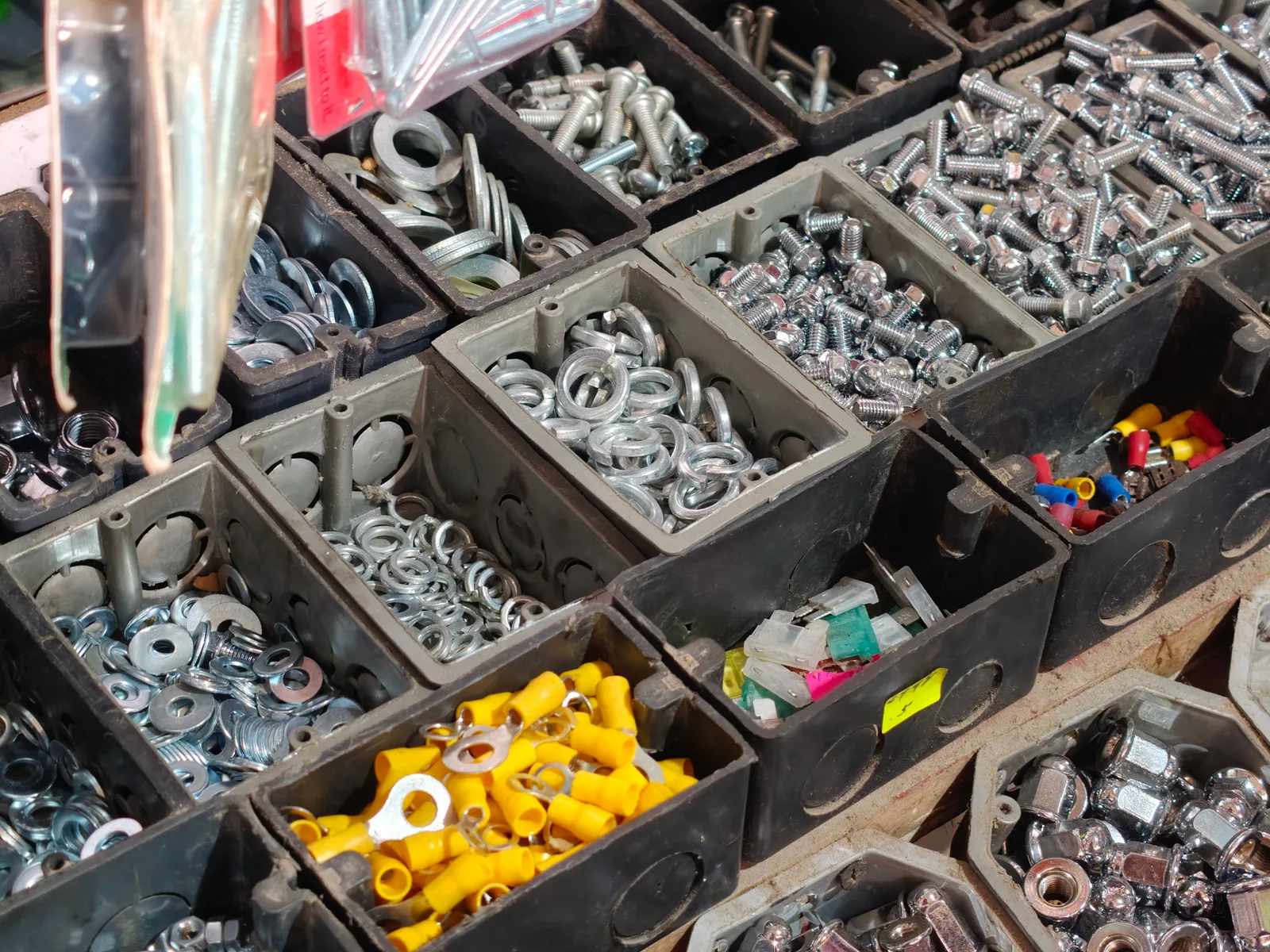
- The first thing that fails from neglect is the small hardware bin: screws, wire nuts, anchors, and strap nails.
- Monthly checks take about 30 minutes and prevent second trips.
After the first month
Count every bin after a new tech's first 30 days. Techs move between jobs, so this audit catches parts that never returned. Check common supply-house numbers: Square D Homeline HOM115 single-pole breakers, Leviton GFNT1 15A GFCI receptacles, 3M red and yellow wire nuts, Gardner Bender strap nails, and 1/2-inch Romex staples. Keep the list in the van binder next to the driver log.
While counting parts, check that hand tools meet the general requirements for safe condition in OSHA 1926.300.
- Two HOM115 single-pole 15A breakers
- One GFNT1 15A GFCI receptacle
- Twenty red and twenty yellow wire nuts
- Ten 1/2-inch Romex staples
- One roll black electrical tape
Use a training checklist to make the first-month count repeatable.
Each season
Open every bin every three months. In cold states, keep heat-shrink connectors and a small heat gun. In humid Gulf states, zipper bags stop wire nuts from rusting. Rotate dated consumables like tape and sealant, and check that 12/2 and 14/2 Romex rolls still have legible outer jacket markings. Southwire and Cerrowire print the gauge and insulation type on the cable, which inspectors look for.
| Stock item | Seasonal check | Reason |
|---|---|---|
| Heat-shrink connectors | Fall | Cold makes vinyl brittle |
| GFCI receptacles | Spring | Outdoor work increases |
| Cable staples | Summer | Attic heat loosens boxes |
| Tape and sealant | Winter | Cold affects adhesion |
After the seasonal check, update the minimum counts. A bin that needed ten staples in July may need twenty in December.
Once a year
Annual work is about the van itself, not just the parts. Check shelving bolts, door seals, and light bulbs. Replace bent divider clips and label bins. Compare the stock list against the jobs the company ran. If half the year was panel changes, add more 2-pole breakers. If service calls dominated, add more GFCI devices and decora switches. Remove anything that has not moved in 12 months. A bin of old telephone jacks in 2027 is dead weight.
At this interval, use the NFPA 70E standard to confirm the van carries the right PPE for the work the crew performs.
Before adding new SKUs, check how carrying cost changes contractor overhead across residential and commercial work.
Every few years
Every two or three years, replace the plastic bins and labels. UV light breaks the hinges, and spilled parts stop a morning. Replace worn canvas bags and tool rolls. The van itself may need a new floor mat or ladder rack. Also audit the whole inventory against current distributor SKUs. Manufacturers change models, so a Homeline HOM115 breaker remains common, but some LED dimmer models rotate out fast.
Keep a printed list with both distributor part number and Home Depot SKU when possible. Home Depot and local distributors in Phoenix, Atlanta, and Minneapolis carry the same common receps, but local supply houses often stock the commercial brands a service van needs. Compare the list with the current distributor price sheet when models change.
When the audit shows a recurring missing part, review the quote examples to see how parts should be priced into a bid.
Signs it needs attention now
Neglect first shows in the small hardware bin: screws, wire nuts, anchors, and strap nails. When that bin empties, the rest of the van follows.
- A tech leaves for the supply house mid-jobcause is a bin without a minimum count.
- A breaker handle feels loose in the boxcause is a cracked breaker from a fall. Replace it, do not tape it.
- A GFCI trips within a day after installcause is often a damaged wire nut or pinched insulation in the van bin.
A service van with no 6-32 screws stops a ceiling fan job just as fast as a missing panel cover. Small parts cause the biggest delays.
The same pattern shows in commercial work, where missing 3/4-inch connectors delay conduit runs. If a missing part leads to a second trip and a callback, the real cost is not the $0.15 screw. The warranty callbacks article shows how those repeat trips eat the margin.
Example: A Monday call that stops without stock
At 7:40 a.m. a tech pulls up to replace a bathroom GFCI. The old box has a broken mounting ear. The van has the GFCI but no 6-32 screws. The tech drives 25 minutes to Home Depot, spends 12 minutes in the aisle, and loses the first hour. The invoice still bills one hour.
The missing screw cost $0.12 and the labor write-off cost $38 at an illustrative loaded rate of $75 per hour, or more depending on wages and burden. The next week, the monthly check adds a minimum count of ten 6-32 screws and ten strap nails.