Guides
The complaint routine of a well-run electrical contractor in 2027
A well-run electrical contractor in 2027 logs each complaint in the right order, turning a callback into a repeat customer and a lesson the next job inherits.
What to take away
- Take the complaint in full before you explain anything; the customer's account is evidence, not an interruption.
- Inspect the work with testers before deciding whose account is right, and repair before you argue about cause.
- A callback is cheaper than a lost builder relationship, so fix the job first and settle the invoice question after.
- Feed every lesson into the written checklist, not into a journeyperson's memory that leaves with them.
- Review completed checks and exceptions by work type once a month, so a pattern shows up before a customer names it.
This article covers business operations for electrical contractors. Not professional advice of any kind, including:
- electrical
- code
- licensing
- permit
- employment
- tax
- legal advice Work on live systems belongs to a licensed electrician under the authority having jurisdiction, and safety questions belong with CSA Z462 and the manufacturer's instructions.
Why the order matters more than the policy
Most contractors already have a complaint policy. What separates the ones that keep their builders is the order they work in. Explain first and the customer hears a defence before they have finished describing the problem.
The sequence below is short on purpose. Each step exists because skipping it costs more than doing it.
The five-step sequence
- Take the complaint in full.Let the homeowner or site superintendent finish before you speak. Write down what they expected, what they saw, and when. A general contractor who has to repeat himself to three people stops calling.
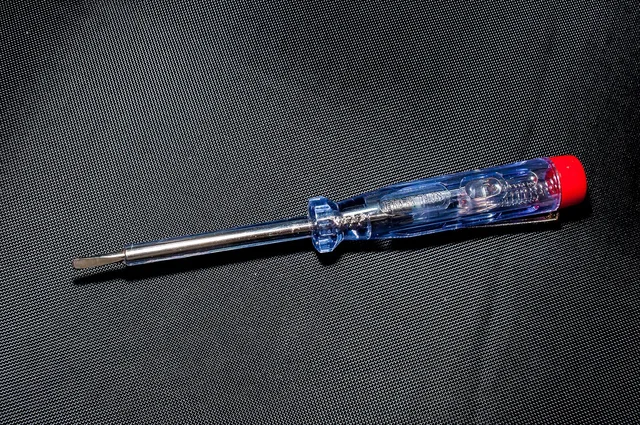
- Inspect the work with testers.Look at the actual installation, not the work order. Voltage readings, torque marks, breaker labelling and panel schedule notes settle most disputes faster than a conversation. Where the inspection touches an energised system, the licensed electrician on the job does it under the applicable code and the AHJ's rules.
- Repair now, and be plain about limits.Fix what is wrong before you settle who pays. If the fix depends on a part on order or a permit revision, say the date and the reason. Vague reassurance reads as a stall.
- Check back after the work has been used.A panel that holds on a Tuesday morning has not been tested. Call after the homeowner has run the dryer, the range and the EV charger through a normal week.
- Write the lesson into the checklist.If the miss was a torque value nobody recorded, the checklist gains a line. If it was a helper working past their scope, the checklist gains a stop point. The memory of the person who found it is not a system.
A callback costs a truck roll and a morning. A builder who stops calling costs the next four houses.
Five-step complaint sequence
- Take the complaint in full
- Inspect the work with testers
- Repair now, be plain about limits
- Check back after the work has been used
- Write the lesson into the checklist
What the monthly review actually looks at
Once a month, pull the completed checks and the exceptions. Sort them by work type:
Monthly review by work type
Work type
- Service calls
- count
- Panel upgrades
- count
- EV charger installs
- count
- Rough-ins
- count
Checks completed
- Service calls
- count
- Panel upgrades
- count
- EV charger installs
- count
- Rough-ins
- count
Exceptions raised
- Service calls
- count
- Panel upgrades
- count
- EV charger installs
- count
- Rough-ins
- count
Repeat complaints
- Service calls
- Panel upgrades
- EV charger installs
- Rough-ins
| Work type | Checks completed | Exceptions raised | Repeat complaints |
|---|---|---|---|
| Service calls | count | count | count |
| Panel upgrades | count | count | count |
| EV charger installs | count | count | count |
| Rough-ins | count | count | count |
The repeat column is the one that matters. One exception on a rough-in is noise. The same exception on four rough-ins in a month is a training gap or a tooling gap, and it will keep producing callbacks until someone owns it.
Read the table next to demand and capacity. A spike in exceptions during a busy stretch usually means crews were pushed past the point where the checklist gets used, not that the standard was wrong.
Where the paperwork fits
Three outside sources are worth keeping in the file, because each one is checkable and none of them is a borrowed benchmark.
The Occupational Safety and Health Administration: Electrical Contractors Industry page lists hazards in this trade. It links the standards that apply. The hazards include:
- shock
- electrocution
- musculoskeletal injuries
- slips
- falls
- vehicle incidents It is a useful reminder that a complaint about a messy panel is not the only risk a crew carries.
The U.S. Federal Trade Commission: Soliciting and Paying for Online Reviews: A Guide for Marketers sets out how review requests should work. Ask genuine customers, do not cherry-pick the happy ones, and do not let an incentive or a connection create a misleading picture.
A contractor who fixes a complaint and then asks for a review is on solid ground. One who offers a discount for a five-star rating is not.
The Internal Revenue Service: What kind of records should I keep? covers the record side. A system that clearly shows income and expenses, with documents supporting purchases, sales, payroll and assets, is the baseline.
Complaint records, inspection notes and repair invoices belong in the same file, because a disputed job is a tax and contract question as much as a technical one.
A worked example of a callback that paid
A crew wires a detached garage subpanel. The homeowner calls three weeks later: the lights dim when the table saw starts. The owner takes the call in full, hears that the saw is a 240-volt unit on a 20-amp circuit, and sends the licensed electrician back with a meter.
The electrician finds a loose neutral at the subpanel lug, torques it to the manufacturer's spec, and records the value. No charge to the homeowner. The owner then adds a torque-record line to the panel checklist and a note that any 240-volt tool on the property gets asked about at the estimate stage.
Two months later the same homeowner refers a neighbour for a service upgrade. The referral is worth more than the callback cost, and the checklist line has since caught two more loose lugs on other jobs.
Common questions
How fast should a contractor respond to a complaint?
Same business day for the acknowledgement, and a site visit within two working days for anything safety-related. The acknowledgement is a call, not an email auto-reply. A customer who hears a human voice on day one rarely escalates to a review site.
Should the contractor charge for a callback visit?
If the fault traces to your work, no. If it traces to someone else's work or to a customer-supplied part, quote the repair before starting. Charging for a visit that proves your own error is the fastest way to lose a builder's future tenders.
What if the customer is wrong about the cause?
Repair what is actually wrong and explain the finding with the readings in hand. Do not argue about the original diagnosis on site. If the customer still disputes the invoice, put the sequence in writing and let the contract terms and, if needed, a lawyer settle it.
Who owns the checklist after a complaint?
The owner or the operations lead, with a named person responsible for each work type. A checklist with no owner drifts back to whatever the crew remembers. Review it at the monthly meeting and change one line at a time, so you can tell which change helped.